
This is the One: Jesus the Lamb
January 18, 2026
Second Sunday after Epiphany - Ex. 12:21-28; Ps. 40:1-11; 1 Cor. 1:1-9; John 1:29-42
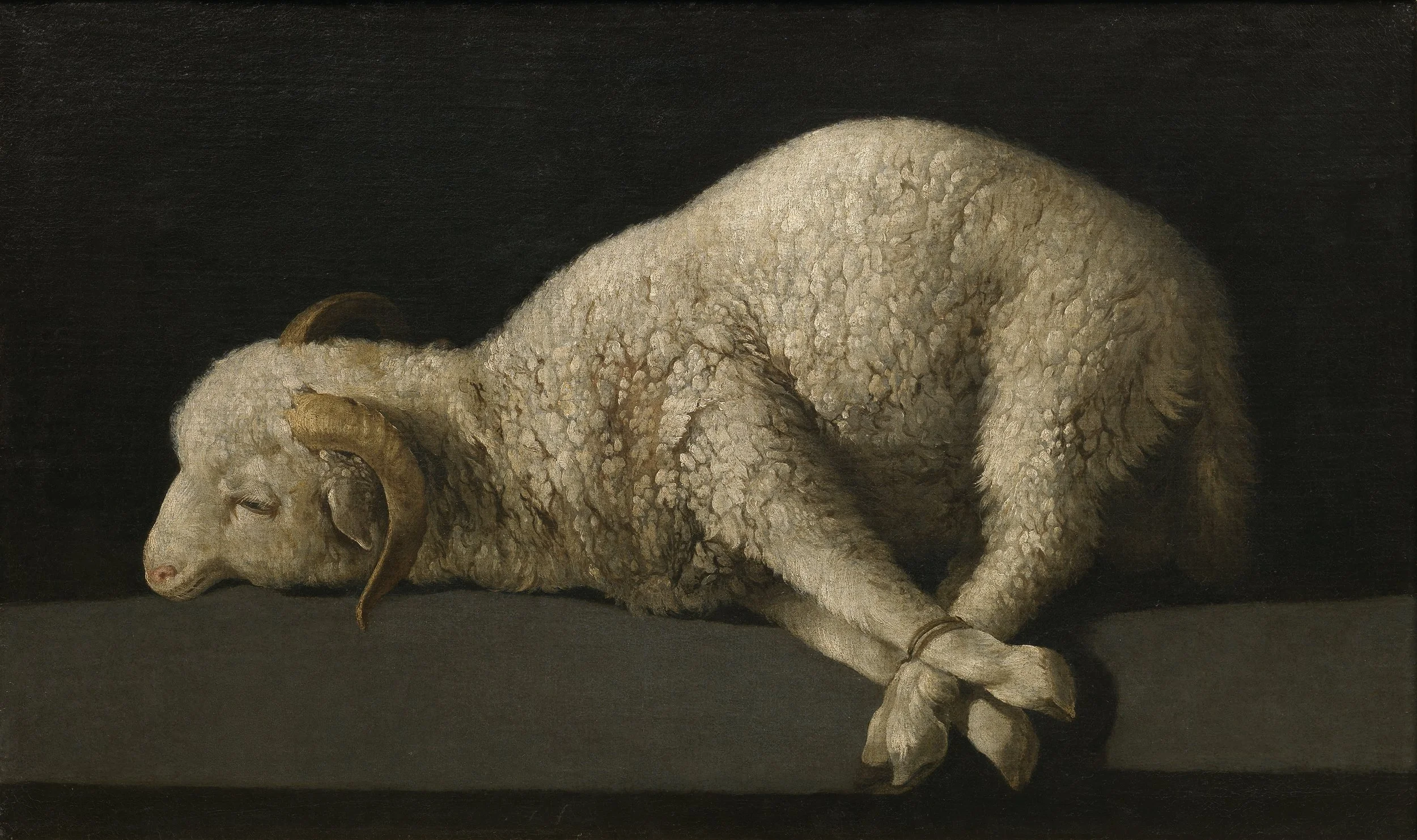
Have you ever been in a search for the “one”, someone “special”? It might be a significant other or a really good friend. And finally meeting that someone, you say, “I have finally found the one.” Or maybe we could put it this way: have you ever been searching for what finally holds your life together—someone or something that won’t collapse under pressure? This question of recognition lies at the heart of John the Baptist’s powerful declaration in John 1:29-42, when he sees Jesus and proclaims, “Look, the Lamb of God, who takes away the sin of the world!”
The Recognition That Changes Everything
The words John the Baptist uses about Jesus here are pretty much the same – “This is He”, “This is The One.” We can hear in John the Baptist’s words that same sense of recognition, of recognizing this is the one we were waiting for, this is the one who will not disappoint. John is not offering a preference. He is bearing witness to an identity, ultimate reality. Can we imagine ourselves saying the same words about Jesus: “This is The One?” Do we have that same sense of recognition, of recognizing Jesus as the one we’ve been waiting for, longing for, the one who offers us purpose and meaning, the one who will not let us down, the one who saves us from our sins, the one who sits with and holds us in our brokenness? Because we can also recognize the wrong “one.” We can build our lives around approval, success, comfort, or control—and only later discover they break what they promise to hold and only hollow us out.
Pointing Away From Self, Toward Christ
John the Baptist demonstrates something remarkable in this passage. John the Baptist is famous for many things, but the central and most important role he has in the New Testament is to point away from himself and towards Jesus. Earlier in John 1, when religious leaders asked if he was the Messiah or Elijah, he said, “No… I am the voice of one calling in the wilderness, ‘Make straight the way for the Lord.’” John is the opposite of religious self-promotion. He will not build a platform for himself. He exists to direct attention away from himself and toward Christ. And that remains the vocation of the Church today.
From Passover to Perfect Sacrifice
The connection between Jesus and the Passover story from Exodus 12:21-28 reveals God’s cosmic plan of redemption. The Gospel of John wants us to understand the events concerning Jesus as the fulfillment of the Exodus story. Just as God brought his chosen people of Israel out of Egypt, so God through Jesus was now bringing ALL THE NATIONS of the world out of slavery, darkness, sin, and death. In our Old Testament reading from Exodus, Moses tells the elders: “Go at once and select the animals for your families and slaughter the Passover lamb” (Exodus 12:21). The blood of the Passover lamb placed on doorframes would protect anyone inside the house from the touch of death. But there’s an important contrast between what it says about the Passover lamb in the Old Testament and the Lamb of God in the New. In Exodus the people must go and select lambs for themselves. But in John’s Gospel, “Jesus appears to John the Baptist and his disciples, without their search for him, and they say with surprise, ‘Look, the Lamb of God.’” In other words, salvation begins not with our search for God, but with God’s gift of Himself.
More Than Forgiveness—Transformation
When John declares Jesus as the Lamb of God who “takes away the sin of the world,” he’s describing something profound. Jesus doesn’t merely forgive sin or overlook it—He takes it away—removes it—carries it—deals with it at its root. The Lamb does not only remove guilt—He gives the Spirit. He makes a dwelling place for God within human beings. As John 1:33 tells us, “The man on whom you see the Spirit come down and remain is the one who will baptize with the Holy Spirit.” That means Christianity is not mere behavior modification. It is new life from God. Not merely a cleaned-up conscience, but a renewed heart.
Putting It Into Practice
The Gospel does not invite us to admire Jesus from a distance, but to follow Him as Lord. As we recognize Jesus as the Lamb of God, several practical questions emerge:
Where have we been tempted to treat Jesus as useful rather than Lord—and what will we change this week in our habits, speech, and obedience?
What “doorposts” will Mark our homes this week—not with symbolism, but with actual practices of faith: Scripture, confession, reconciliation, and shared prayer?
Who in our life needs a clear, steady witness to Christ—and how will we say, in a simple way, “Come and see”?
What hidden habit, resentment, or compromise is polluting the “temple” of our hearts—and what step of repentance will we take?
May our beholding not be casual. When we truly recognize Jesus as “The One”—the Lamb of God who takes away the sin of the world—everything changes. The question isn’t whether we can admire Jesus from afar, but whether we’re ready to follow Him as Lord.